The short answer. Eight foods and drinks irritate most sensitive bladders: caffeine, alcohol, carbonated drinks, citrus, tomato-based foods, spicy foods, artificial sweeteners, and chocolate. Not everyone reacts to all eight. The way to find your personal triggers is a 14-day elimination test, tracked in a bladder diary.
Key takeaways
- The eight most-evidenced bladder irritants are caffeine, alcohol, carbonated drinks, citrus, tomato-based foods, spicy foods, artificial sweeteners, and chocolate.
- Triggers are personal. Two people with the same diagnosis often react to different foods.
- The way to find your triggers is to remove one food at a time, wait 14 days, and watch what your bladder does.
- Cutting fluids to pee less is a trap. Concentrated urine itself irritates the bladder.
- A bladder diary is the instrument that makes the elimination test work.
Maya is 38, a marathon hobbyist who used to run her long Saturdays without a thought. For the last six months, every long run after mile 8 has turned into a hunt for a porta-potty. She was sure it was the training volume. She read forums about iron, electrolytes, gut motility. The thing she had not changed was her pre-run ritual: a tall iced coffee at 6 a.m., a Diet Coke after. Three days of writing down what she drank, when she ran, and when she had to stop showed the pattern in twenty minutes. The runs were not the problem. The 280 mg of caffeine and the artificial sweetener landing in her bladder ninety minutes before mile one were. Her doctor had told her "some people just have sensitive bladders, learn to plan around it." That was not accurate. It was, in fact, fixable.
Most articles on this topic list the same eight foods. The hard part is not the list. The hard part is figuring out which of the eight are actually yours, since two people with the same diagnosis often react to completely different foods. That is the section worth reading most carefully.
Take me to the elimination protocol
The 8 most evidenced bladder irritants
These eight show up on every well-researched list. We've ordered them by how often each one is actually the culprit, so if you only have time to test one, you know where to start.
1. Caffeine
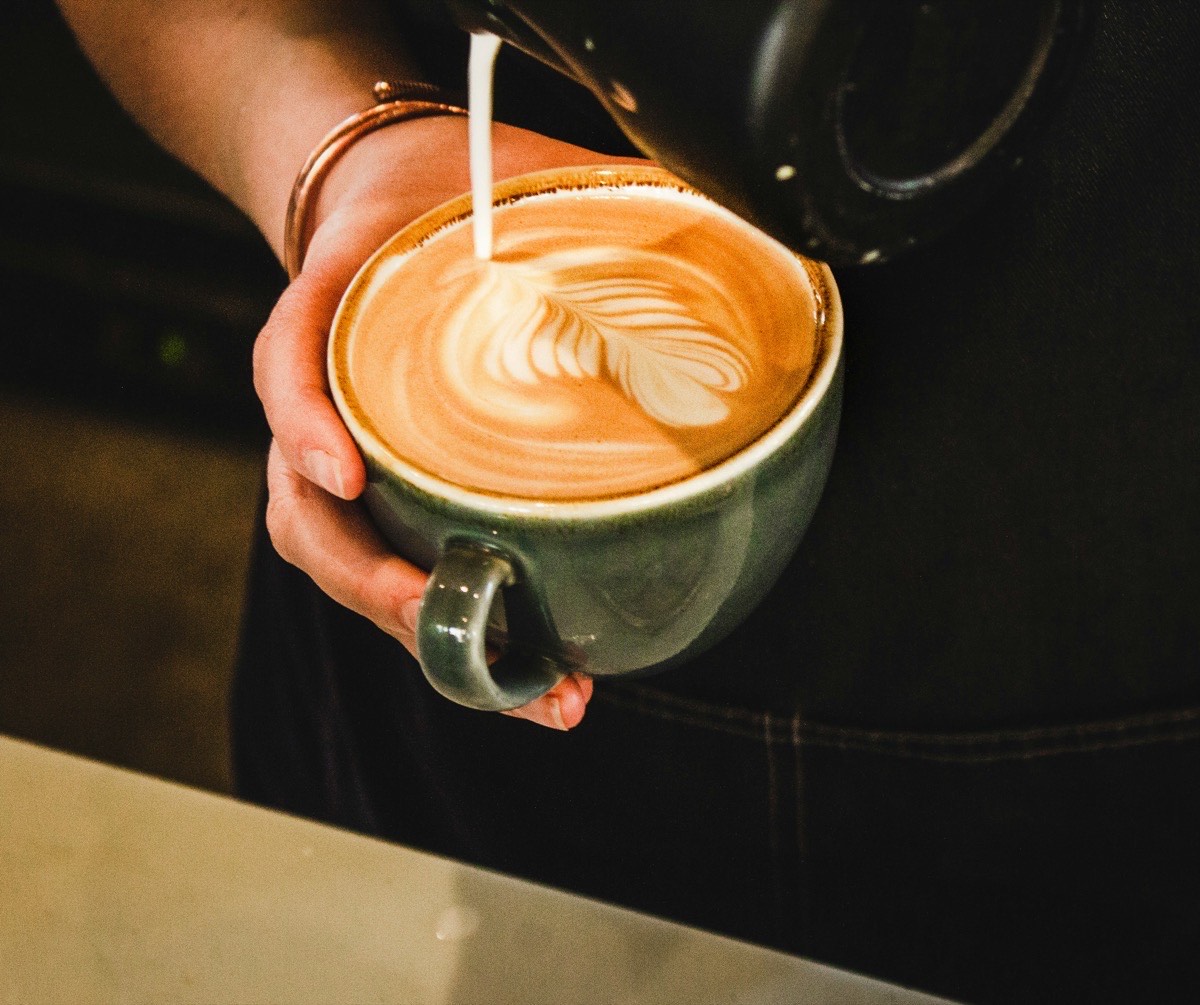
Caffeine is the first thing pelvic-health clinicians ask people to cut.
Caffeine is the most studied bladder irritant, and the first thing pelvic-health clinicians ask people to cut. It acts on the detrusor, the muscle that squeezes your bladder, and makes the urge to go kick in at lower volumes [1]. It is also a strong diuretic. It pushes the kidneys to produce a lot of urine in a short window, which fills the bladder fast and triggers urgency in sensitive bladders [2].
Two things to know. First, espresso is a small enough liquid volume that it usually does not cause the filling-rate effect; a 16-ounce drip or a large latte does. Second, if you are older and your body clears water more slowly, the morning's coffee can still be producing urine at lunchtime. The reason "morning coffee only" works for so many people is that it gives the rest of the day to drain.
Sources: coffee, black and green tea, energy drinks, many sodas, dark chocolate, some headache medications.
How much is too much? For many people, one cup of coffee a day is fine and two is not. The threshold is individual.
2. Alcohol
Alcohol is a diuretic and a brake on the brain signals that warn you about a full bladder.
Alcohol affects the bladder in two well-established ways. It is a strong diuretic, because it suppresses the kidney's anti-diuretic hormone, so the bladder fills fast. And it dulls the brain signals that tell you the bladder is full, so leaks happen with less warning. Population evidence on alcohol and overactive bladder is mixed (some large studies even find moderate drinking is associated with lower OAB risk), so reactions are individual [3]. In practice, many people with sensitive bladders find higher-acid drinks like wine the most provoking.
If your bladder feels worse the morning after a wine night, the alcohol's diuretic effect is filling you faster than usual, and the brain signals that should warn you about a full bladder are dulled.
3. Carbonated beverages
Sparkling water counts. The bubbles seem to be the irritant, separate from sweeteners or caffeine.
Sparkling water is on the list. Yes, even with no caffeine, no sugar, no anything else. The bubbles themselves seem to be the problem. Sodas are often a triple threat: bubbles plus caffeine plus artificial sweetener or acid, all in the same can.
4. Citrus fruits and juices
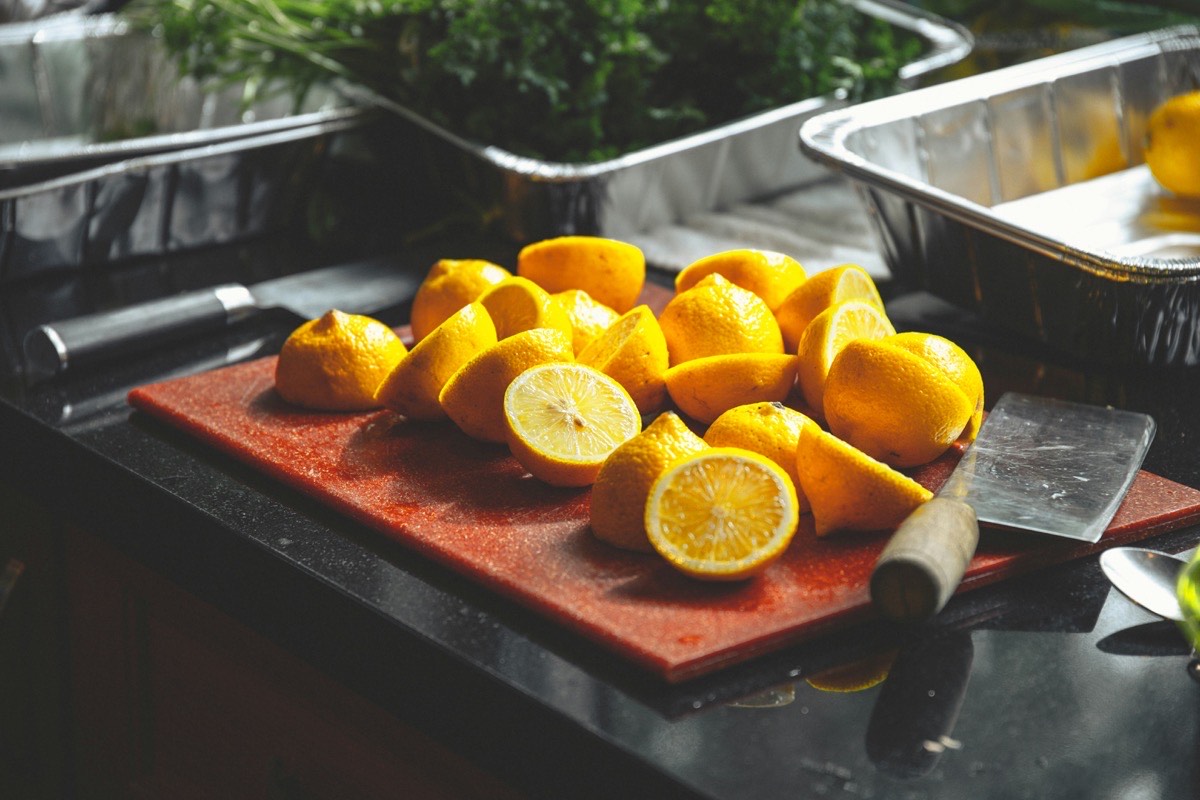
Citrus shifts the pH of urine and is the highest-yield trigger for people with interstitial cystitis.
Oranges, lemons, limes, grapefruit, and their juices are some of the most acidic things you eat. What goes in acidic comes out acidic, and acidic urine itself irritates a sensitive bladder lining [4]. If you have interstitial cystitis, citrus is often the highest-yield thing to cut first.
5. Tomato-based foods
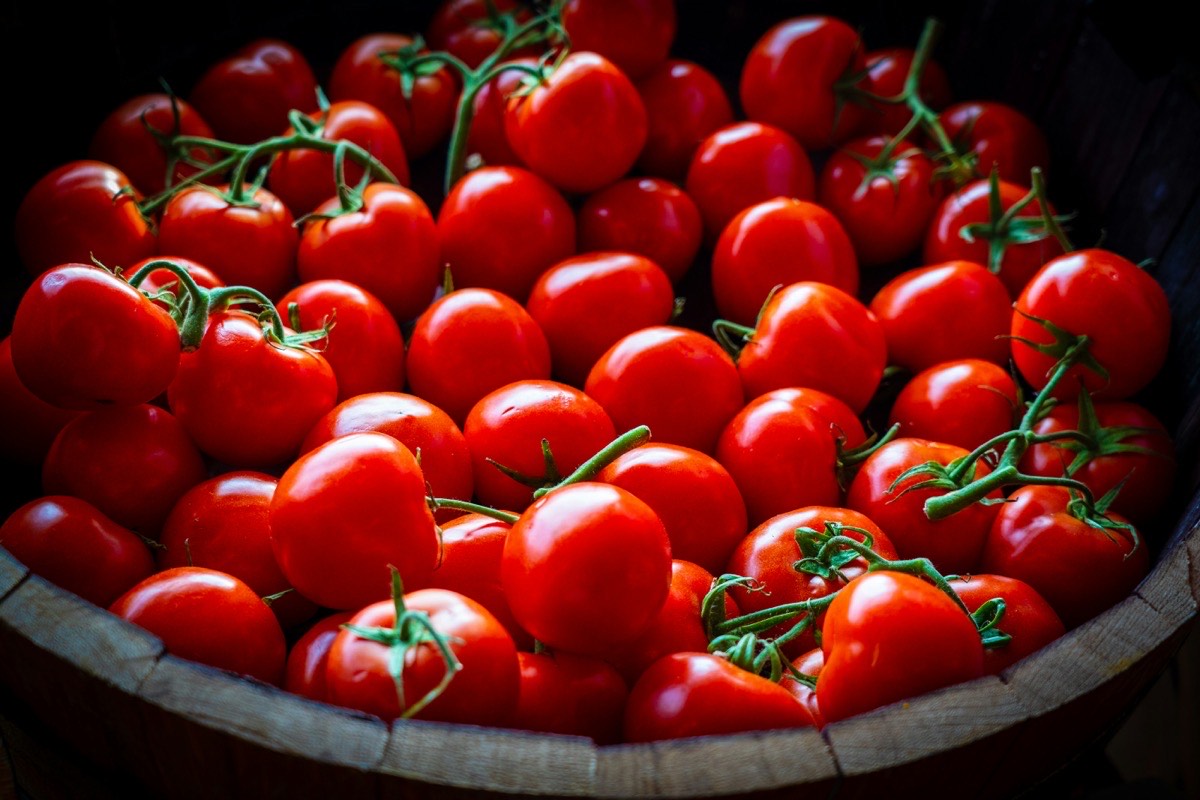
The concentrated forms (sauce, salsa, ketchup) cause the most trouble. Fresh tomato in a salad is usually milder.
Tomatoes are nearly as acidic as citrus. The trouble foods are the concentrated forms: pasta sauce, salsa, ketchup, pizza topping, sun-dried tomatoes. Fresh tomato in a salad is usually milder.
6. Spicy foods
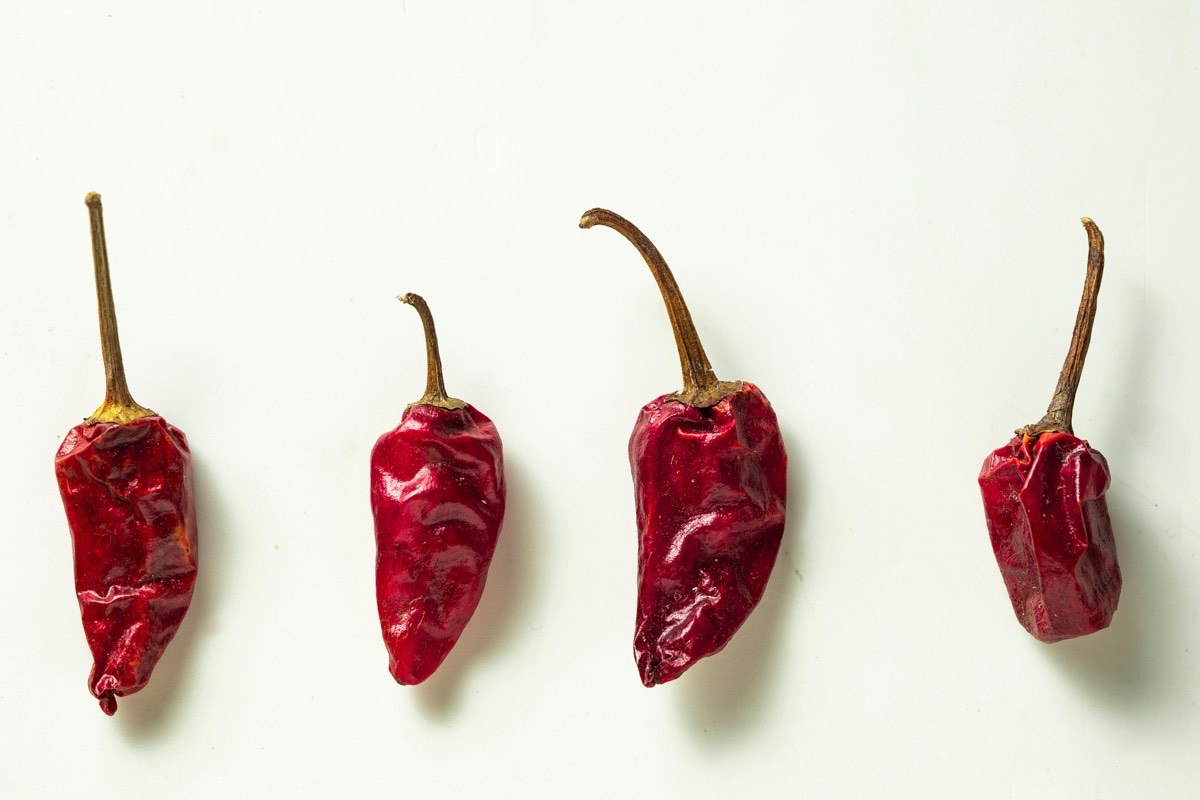
Capsaicin activates the same TRPV1 nerves the bladder uses to signal fullness.
The compound that makes peppers feel hot, capsaicin, is a known activator of bladder sensory nerves. In people with overactive bladder or interstitial cystitis, a spicy meal can produce urgency within hours [5]. The effect is dose-related: a small amount of pepper in a stew bothers fewer people than a bowl of spicy salsa.
7. Artificial sweeteners
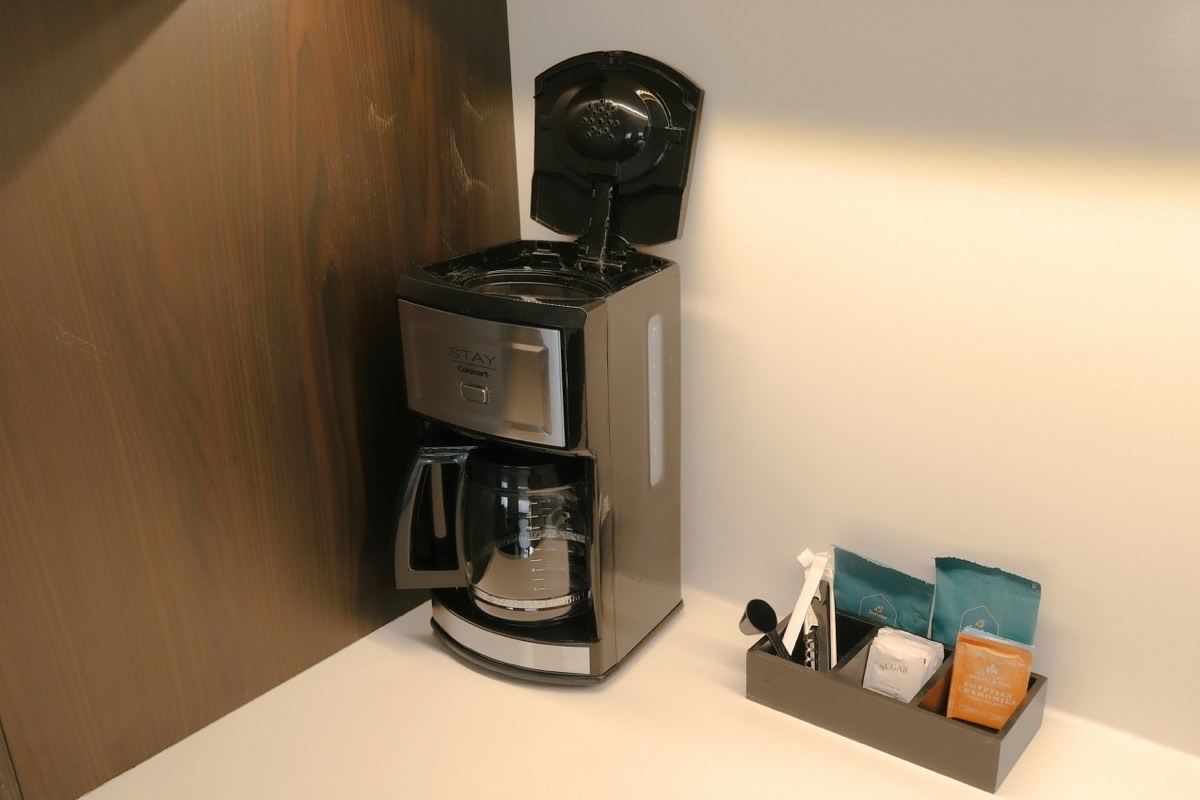
Sweeteners hide in diet sodas, sugar-free gum, sugar-free yogurt, and many protein bars.
"Sugar-free" does not mean "easy on the bladder." Saccharin, aspartame, sucralose, and the rest are widely reported by people with sensitive bladders as triggers, though the population evidence so far is mixed [6]. They hide in diet sodas, sugar-free gum, low-sugar yogurts, protein bars, and a surprising number of "healthy" snacks. If you cannot find the trigger and you've been drinking diet drinks all along, this is the one to test next. Stevia and monk fruit are gentler swaps.
8. Chocolate
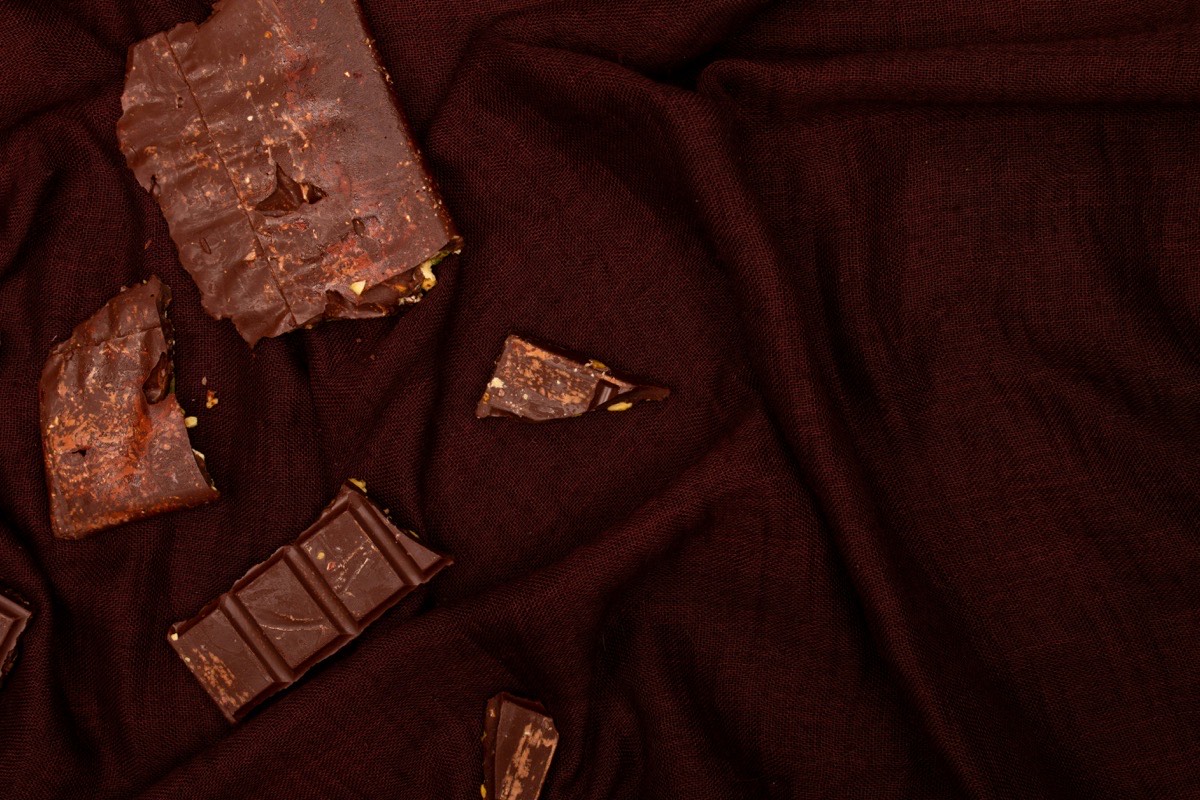
Chocolate makes the list through its caffeine. White chocolate has none and rarely causes problems.
Chocolate is on the list because of its caffeine content. Dark chocolate has more caffeine than milk chocolate. White chocolate has none and rarely causes problems.
Tier 2: common but not universal triggers
These show up on the longer published lists, including the Brigham and Women's Hospital handout. Worth testing only after the eight above are sorted out.
- Aged cheeses, sour cream, and yogurt with live cultures
- Cured or processed meats with nitrates or nitrites: deli meat, bacon, sausage, hot dogs
- Raw onion, garlic, and chives
- Vinegar (including in salad dressings, pickles, and balsamic)
- Honey
- MSG and other flavor enhancers
- Vitamin C supplements above the daily allowance
Tier 3: individual sensitivities
If Tier 1 and Tier 2 are clean and you still have symptoms, these less common triggers are worth a one-at-a-time test: grapes, pineapple, plums, cantaloupe, soy, tofu, eggs, and gluten if you are coeliac or gluten-sensitive.
Why these foods irritate the bladder
The published lists tend to feel arbitrary. Why citrus and not apples? Why coffee and not tea, sometimes?
There are five mechanisms doing the work, and most foods on the list trigger one or two of them.
Acidity. When you eat or drink acidic things, your urine pH drops. Lower-pH urine is more irritating to bladder lining that is already damaged or inflamed, which is the case in interstitial cystitis and during a UTI. This is the citrus, tomato, and vinegar effect.
Diuresis. Caffeine and alcohol are direct diuretics. They make the kidneys produce more urine. The bladder fills faster than expected, which you notice as urgency or as one too many trips to the bathroom.
Bladder filling rate. This one gets missed almost everywhere and it is the most useful thing on this page. A normal kidney drips urine into your bladder at about 1 mL per minute. After a regular cup of coffee or a beer, that rate can spike to 30 to 40 mL per minute for a stretch. A sensitive bladder reads that fast filling as a sudden, hard urge, even before the volume is large [7]. The speed of the drink matters more than the chemicals in it. That is why two glasses of water across two hours bother most people far less than one cup of coffee in five minutes. It is also the mechanism that links what you eat and drink to the bladder's storage behavior, and the reason a large glass of water can send you to the bathroom soon after, even though plain water is not an irritant.
Direct mucosal irritation. Some compounds, including alcohol, artificial sweeteners, and the bubbles in carbonated drinks, appear to act on the bladder lining itself. The mechanism is not fully worked out, but the effect on symptoms is consistent across studies.
Nerve activation. Capsaicin in spicy foods activates a class of sensory nerves (the TRPV1 channels) that the bladder also uses. The brain reads the activation as bladder fullness or burning [5].
If you can connect a food on a list to one of these five mechanisms, the food is probably worth testing.
What about cranberry juice?
Cranberry confuses people. You have probably heard it helps with bladder problems. That comes from the UTI literature. The most recent Cochrane review found cranberry products reduce recurrent UTI risk in women and children. The benefit is smaller in older adults and pregnant women [8]. Cranberry juice is also acidic, like citrus. In overactive bladder and interstitial cystitis, it makes symptoms worse, not better. If you are drinking it for OAB or IC, stop and watch what happens over a week.
How to find your triggers: a 14-day elimination test
This is the part most articles skip. Lists do not help you unless you can find which items on the list are yours. Here is a protocol that works.
Days 1 to 3. Baseline. Eat and drink as normal. In a bladder diary, log every food and drink, every void with its volume, urgency on a 0-to-10 scale, and any leaks.
Days 4 to 17. Eliminate one suspect. Pick one food from the Tier 1 list. Caffeine is the highest-yield place to start. Cut it out completely for 14 days. Keep the diary going.
Day 17. Compare. Average your urgency score, your daily voids, and your leaks for days 5 to 17 (skip days 1 to 4 to allow the food to clear). A drop of two points on the urgency scale, or two fewer voids per day, or fewer leaks, is a real signal.
Key insight: the diary pattern that gives the trigger away. After plain water, you tend to see two voids of normal size over a few hours. After a regular coffee, you tend to see four or five small voids in the same window. When the input column and the output column line up like that on consecutive days, the diary has done the work for you.
Days 18 to 21. Reintroduce. Add the food back at a normal serving and watch. If symptoms return within 24 to 48 hours, you have confirmed the trigger.
Repeat. Move to the next Tier 1 suspect and run the same 14-day cycle. Test only one food at a time. Cutting four things at once and feeling better tells you nothing about the cause.
Do not restrict water
Warning: cutting fluids backfires. Drinking less to pee less is the most common self-help move for bladder symptoms, and it is the worst one. The less you drink, the more concentrated your urine becomes, and concentrated urine is itself a bladder irritant. Symptoms usually get worse, not better.
The fix is to keep drinking, around 60 to 70 ounces (1.8 to 2 liters) spread evenly across the day, and aim for pale yellow urine. Spread it out: a glass every two hours produces a much steadier filling rate than the same volume gulped at meals. Steady filling is the single biggest favor you can do a sensitive bladder.
Pelvic-health clinicians always start an assessment by looking at how much you drink, before anything else. Both too little and too much pull the bladder out of balance, and getting that one variable right often does more than any other change you can make.
Bladder-friendly substitutes
You do not have to give up the experience. Decaf coffee or non-citrus herbal tea swaps for coffee. Pear or blueberry juice swaps for citrus. Still water swaps for soda. Olive-oil pasta swaps for red sauce. White chocolate swaps for dark. Stevia or monk fruit swap for artificial sweeteners.
The most bladder-gentle whole foods are pears, blueberries, watermelon, banana, ripe apples, green beans, squash, cucumber, and carrots.
Different conditions, different triggers
The same eight foods, just in a different order of priority depending on what is going on.
For overactive bladder (OAB), caffeine, alcohol, and carbonation are the highest-yield items to eliminate first. Acid matters less unless the lining is also damaged.
For interstitial cystitis or bladder pain syndrome, acid foods often produce the strongest reactions. The AUA IC/BPS guideline names self-care and behavioral modifications, including dietary changes, as a Clinical Principle to discuss and implement early in treatment [9].
After bladder surgery, radiation, or chemotherapy, the lining is healing. All Tier 1 items are worth eliminating during recovery.
In pregnancy and post-menopause, sensitivities can shift. Foods that never bothered you before may start triggering urgency, so the elimination test is worth re-running.
When to talk to a clinician
Diet is not the answer to every bladder problem. See a clinician if you have:
- Blood in the urine
- Fever or chills with bladder symptoms
- Pelvic pain that does not respond to dietary changes after several weeks
- Recurrent UTIs (more than two in six months)
- Sudden, dramatic change in symptoms
- Trouble starting a stream, or feeling that the bladder does not empty fully
Dietary triggers do not cause infections, tumors, or anatomic obstruction. If something feels new and severe, it is worth a workup.
Frequently asked questions
What food calms the bladder?
Plain water is the most reliable. Pears, blueberries, watermelon, bone broth, and chamomile tea are calming for many people. Pumpkin seed extract has small evidence for OAB symptoms [10].
What are the worst bladder irritants?
The eight Tier 1 items: caffeine, alcohol, carbonated drinks, citrus, tomato-based foods, spicy foods, artificial sweeteners, and chocolate. Brigham and Women's Hospital ranks the very worst as alcohol, tobacco, cola drinks, tea, artificial sweeteners, chocolate, and coffee.
How do you calm an irritated bladder?
In order: stop the trigger food, drink plain water steadily across the day to dilute the urine, and avoid all eight Tier 1 items for a week to let the bladder lining settle. If symptoms continue past a week, get a clinical workup.
What fruit is not a bladder irritant?
Pears, blueberries, watermelon, banana, and ripe apples are well-tolerated by most people. They are low in acid and have no caffeine.
Does cheese irritate the bladder?
Aged cheeses (parmesan, blue, sharp cheddar) and fermented dairy (sour cream, yogurt with live cultures) sometimes do, especially in interstitial cystitis. Fresh, mild cheeses (mozzarella, ricotta, cottage cheese) usually do not.
Do these foods make me pee more at night?
Caffeine and alcohol do, mostly through diuresis. If you are waking up to pee more than once a night, anything caffeinated after noon and any alcohol within four hours of bed is worth cutting first. The clinician's term for waking up to pee at night is nocturia.
Where to start
If you read only one paragraph, read this one. Cut caffeine completely for two weeks. Write down everything in a bladder diary. See what happens. If symptoms drop, you have found a trigger. If they do not, move to alcohol next, then carbonation, then the rest of the eight. The list is consensus. The protocol is what makes the consensus useful for you.
(One last thing. Most people who run this protocol find one or two triggers, not eight. The point is not to live on a list of approved foods. It is to know which two or three foods are doing real work, so the rest of your life stays open.)
References
- Park J et al. Effectiveness of Fluid and Caffeine Modifications on Symptoms in Adults With Overactive Bladder: A Systematic Review. International Neurourology Journal, 2023.
- Tang F et al. The association between wet overactive bladder and consumption of tea, coffee, and caffeine: Results from 2005-2018 NHANES. Clinical Nutrition, 2024.
- Zhang Y et al. Relationship between alcohol use and overactive bladder disease: a cross-sectional study of the NHANES 2005-2016. Frontiers in Public Health, 2024.
- Jarman A et al. Food Sensitivities in a Diverse Nationwide Cohort of Veterans With Interstitial Cystitis/Bladder Pain Syndrome. The Journal of Urology, 2023.
- Andersson KE et al. Acute Intravesical Capsaicin for the Study of TRPV1 in the Lower Urinary Tract: Clinical Relevance and Potential for Innovation. Medical Sciences, 2022.
- Ha B et al. Potential Bladder Irritants and Overactive Bladder Symptoms: A Systematic Review. Urogynecology, 2025.
- Redmond EJ et al. The Effect of Bladder Filling Rate on the Voiding Behavior of Patients with Overactive Bladder. The Journal of Urology, 2019.
- Williams G et al. Cranberries for preventing urinary tract infections. Cochrane Database of Systematic Reviews, 2023.
- American Urological Association. Diagnosis and Treatment of Interstitial Cystitis/Bladder Pain Syndrome (2022). AUA Guideline, 2022.
- Gauruder-Burmester A et al. Cucurbita pepo-Rhus aromatica-Humulus lupulus Combination Reduces Overactive Bladder Symptoms in Women: A Noninterventional Study. Planta Medica, 2019.
Author: Dr. Di Wu, MD, PT (IPC founding member). Medically reviewed by Dr. Steven Tijerina, PT, DPT, Cert. MDT (IPC US Director). Photos on Unsplash by Ahmet Yüksek, Louis Hansel, Yimeng Zhao, Parker Johnson, Jason Jarrach, Nick Fewings, Pranav Kumar Jain, ubeyonroad, and Tamanna Rumee. This article is for general education and is not a substitute for medical advice from your healthcare provider.